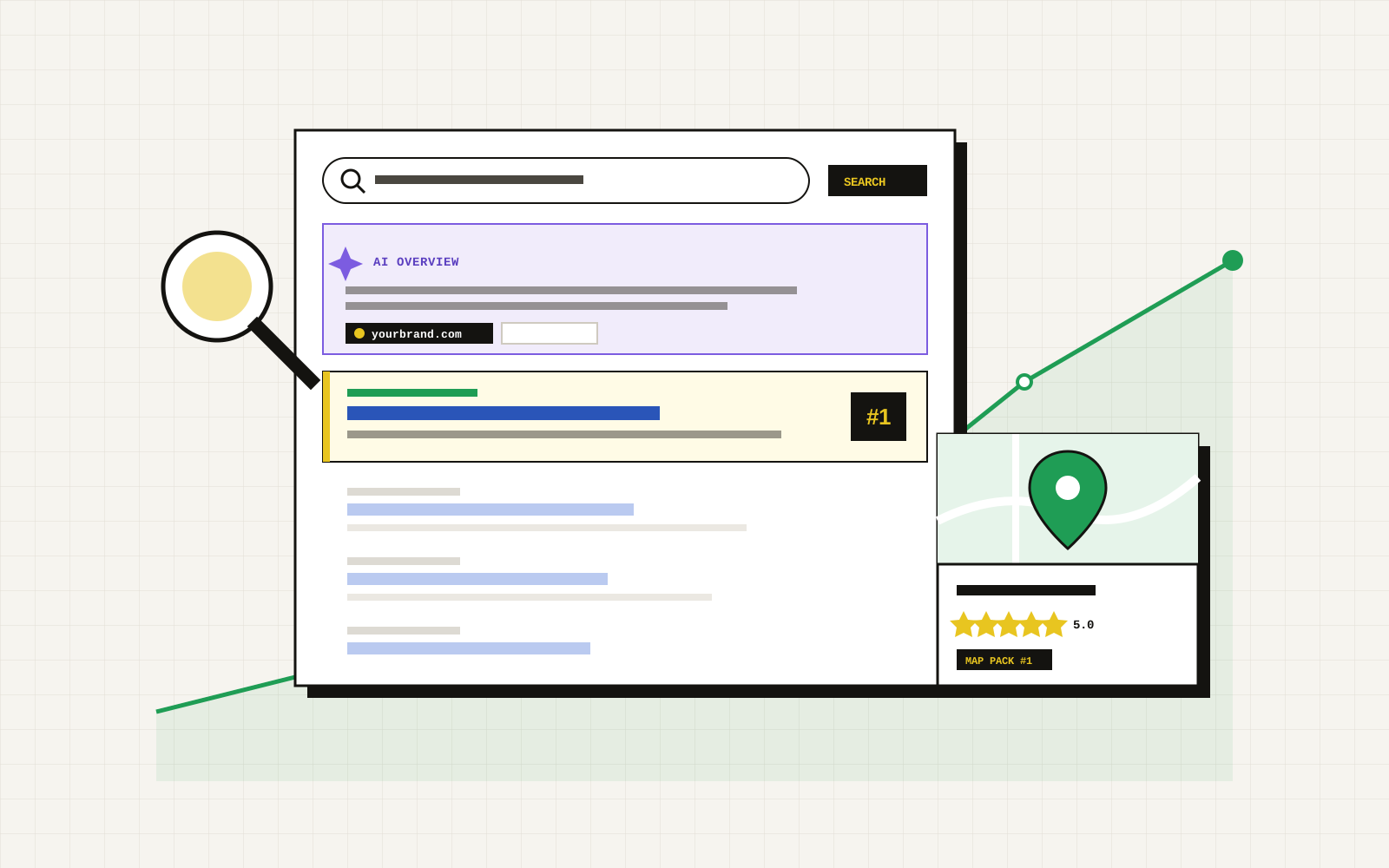

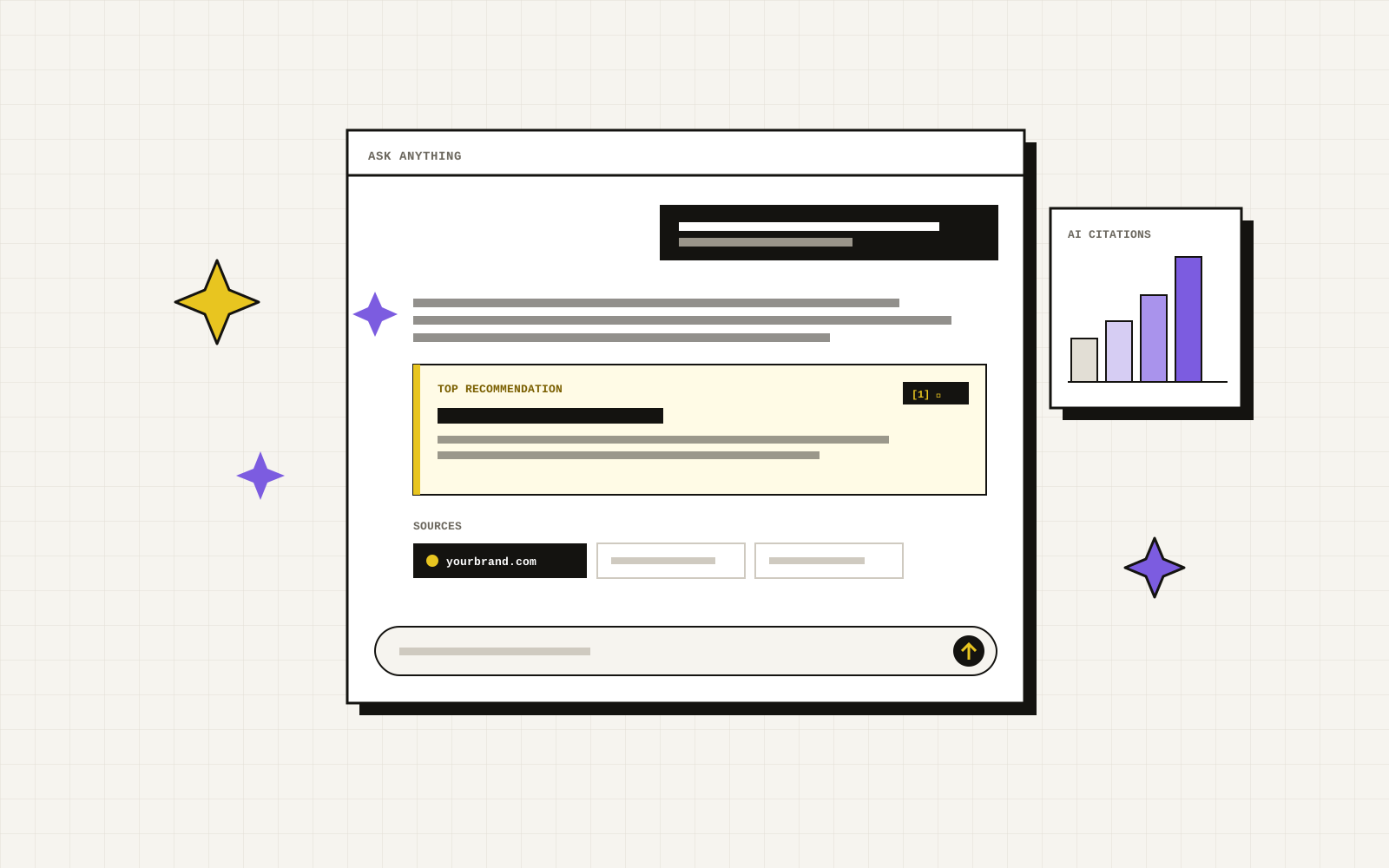
Answer engine optimization, or AEO, is the work of making your business easy for AI assistants and search engines to find, trust and cite when they answer a question. Those assistants include ChatGPT, Gemini, Perplexity and the AI answers that now appear at the top of Google. This guide explains it without jargon.
What AEO means
A traditional search shows a list of links and the searcher picks one. An answer engine writes a short answer and often names the businesses or sources it used. If your business is one of those named, you are in front of the customer before they ever visit a site. If it is not, you are invisible at the moment they decide.
AEO is the practice of becoming one of the businesses that gets named. You may also see it called generative engine optimization (GEO) or AI search optimization. The goal is the same.
How AEO differs from SEO
They overlap, and AEO builds on SEO. AI tools still lean heavily on pages that search engines already trust, so technical SEO and good content stay essential. AEO adds three things:
- Clear entities. The assistant must be sure who you are, what you do and where. Your name, address, phone number, services and people should read the same on your site, your Google Business Profile and other listings.
- Answer-first content. Pages that state the answer in the first lines, then explain, are easier to quote than pages that bury it.
- Corroboration. Assistants favor facts confirmed in more than one place: your site, reviews, directories, press and professional profiles.
What actually helps
- Answer the real questions. List the questions customers ask before they buy. Write a page or a section for each, with a direct answer first.
- Use plain headings. A heading that is the question itself, followed by a short answer, is easy for both people and machines to lift.
- Add structured data. Markup such as Organization, LocalBusiness, FAQ and Breadcrumb tells machines what your page contains. It supports good content; it does not replace it.
- Keep your facts consistent. Fix mismatched names, old addresses and outdated hours across every listing.
- Earn mentions you do not control. Genuine reviews, local directories, industry listings and press coverage all help an assistant verify you.
- Keep the site fast and crawlable. If a page cannot be loaded or read, it cannot be cited.
- Let AI crawlers in, if you choose. Check that your robots file and any security settings are not blocking the assistants you want to reach you. This is a business decision, so make it deliberately.
What does not work
- Stuffing a page with the question phrases and nothing useful.
- Mass-produced pages that repeat each other with a changed place name.
- Promises of a guaranteed spot in an AI answer. Nobody controls what an assistant says.
How to measure it
Pick 15 to 25 questions your customers really ask, such as "best [service] in [city]" or "how do I choose a [provider]". Every month, ask each question in the main assistants and record whether your business is named, what is said, and which sources are cited. Pair that with your search and analytics numbers. Answers vary from one asking to the next, so look at the trend over time, not a single screenshot.
Where to begin
Use the free marketing checklist for Miami small businesses to spot gaps. Start with your own facts: make sure your name, address, services and hours are identical everywhere, and that your top five customer questions each have a clear answer on your site. Those two steps cost little and support both search and AI answers.
How we help
TGI offers answer engine optimization services in Miami, starting with a free review of your site, search visibility and tracking, including how your business shows up in AI answers today. For the full playbook, read how to get your business cited by ChatGPT. We send a written plan with a fixed price before any work starts, and you own every account, credential and file.